Skolkovo

Type: Residential District | Scope: Master planning, Architecture
Location: Skolkovo Innovation Center, Moscow
Competition: 2012, Project: 2012-2015, Construction: 2016-2018
Area: 55,700 sq m | Status: Completed

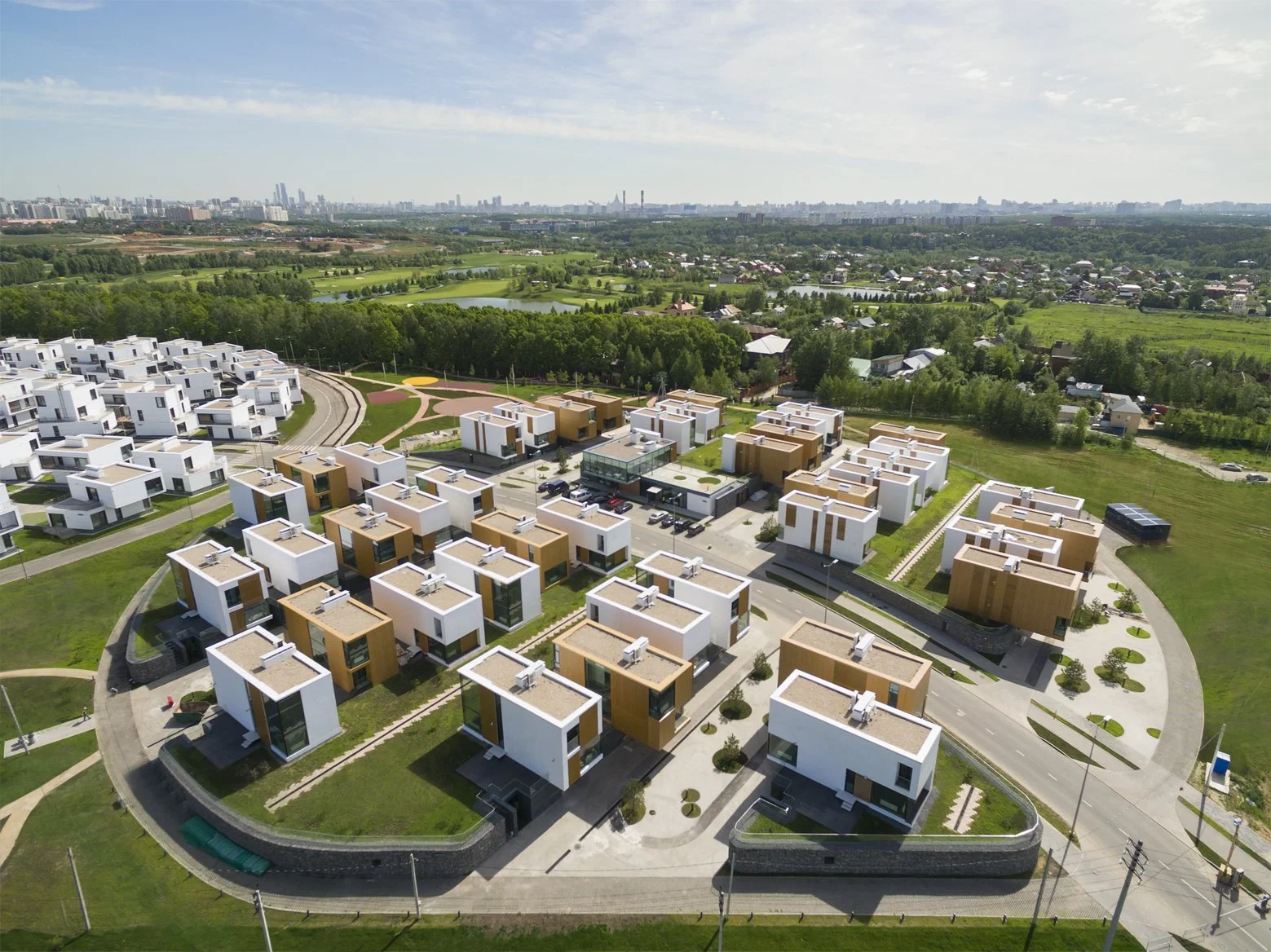
Skolkovo is a major innovation cluster near Moscow, conceived as a new city for science and technology and often described as a regional counterpart to Silicon Valley. The Technopark district became the first residential area of Skolkovo to be developed through an open international architectural competition. The event brought together more than 500 local and foreign teams and was held in two stages. After an initial selection of 30 finalists, participants designed detailed proposals for specific housing quarters. Our entry advanced to the second stage and was awarded 1st place for Quarter #11, becoming one of the 10 overall winners.
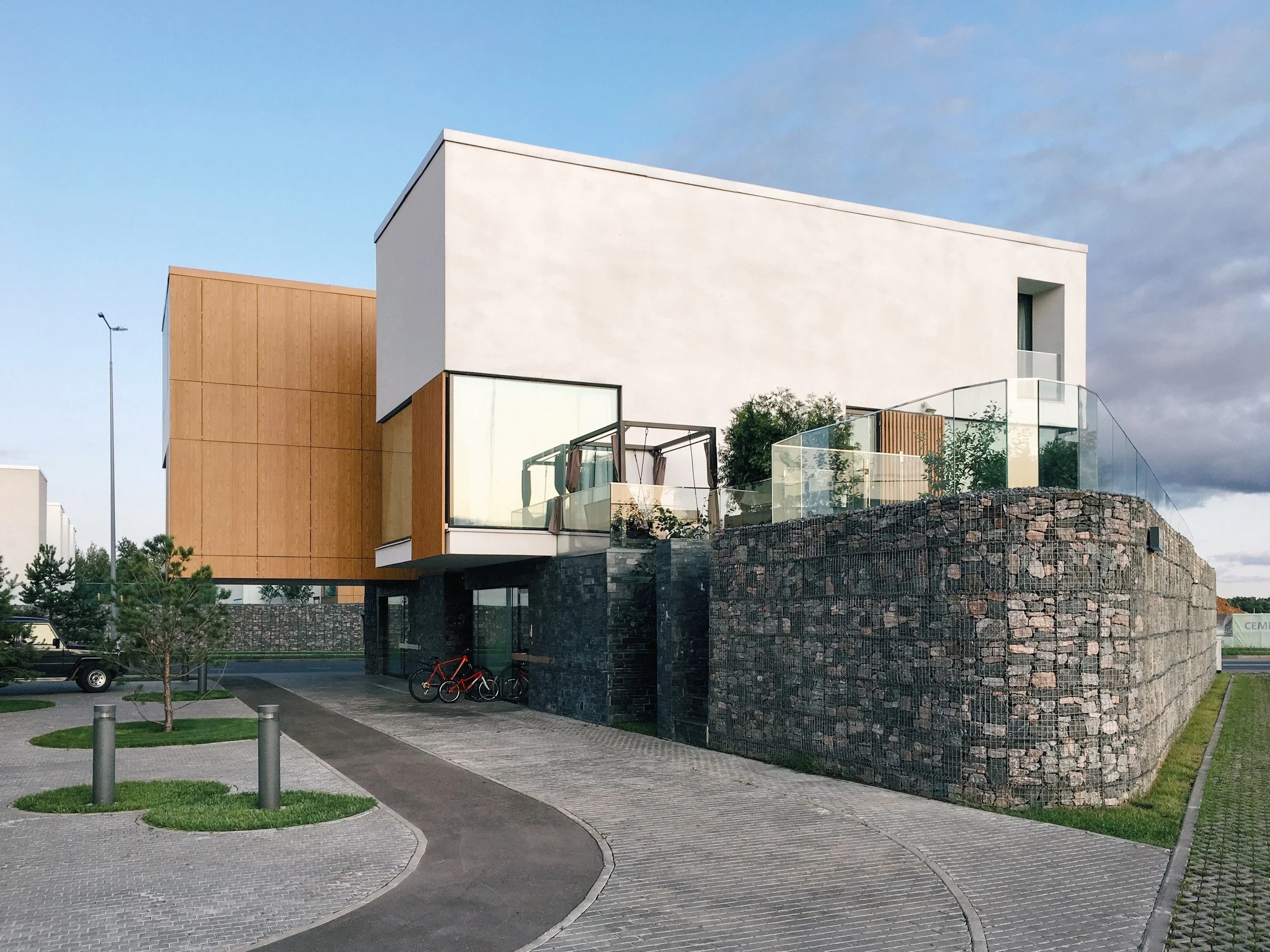
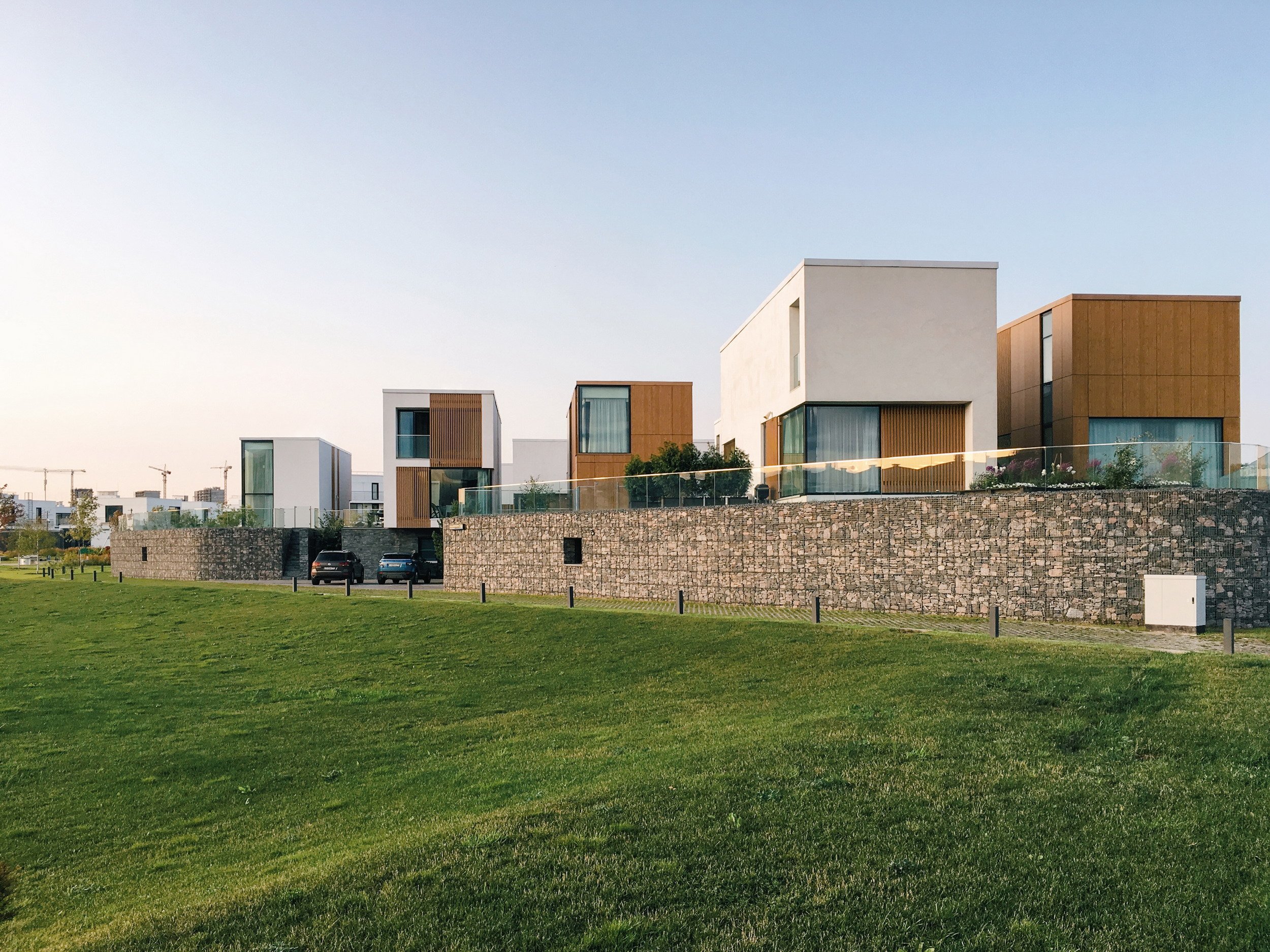
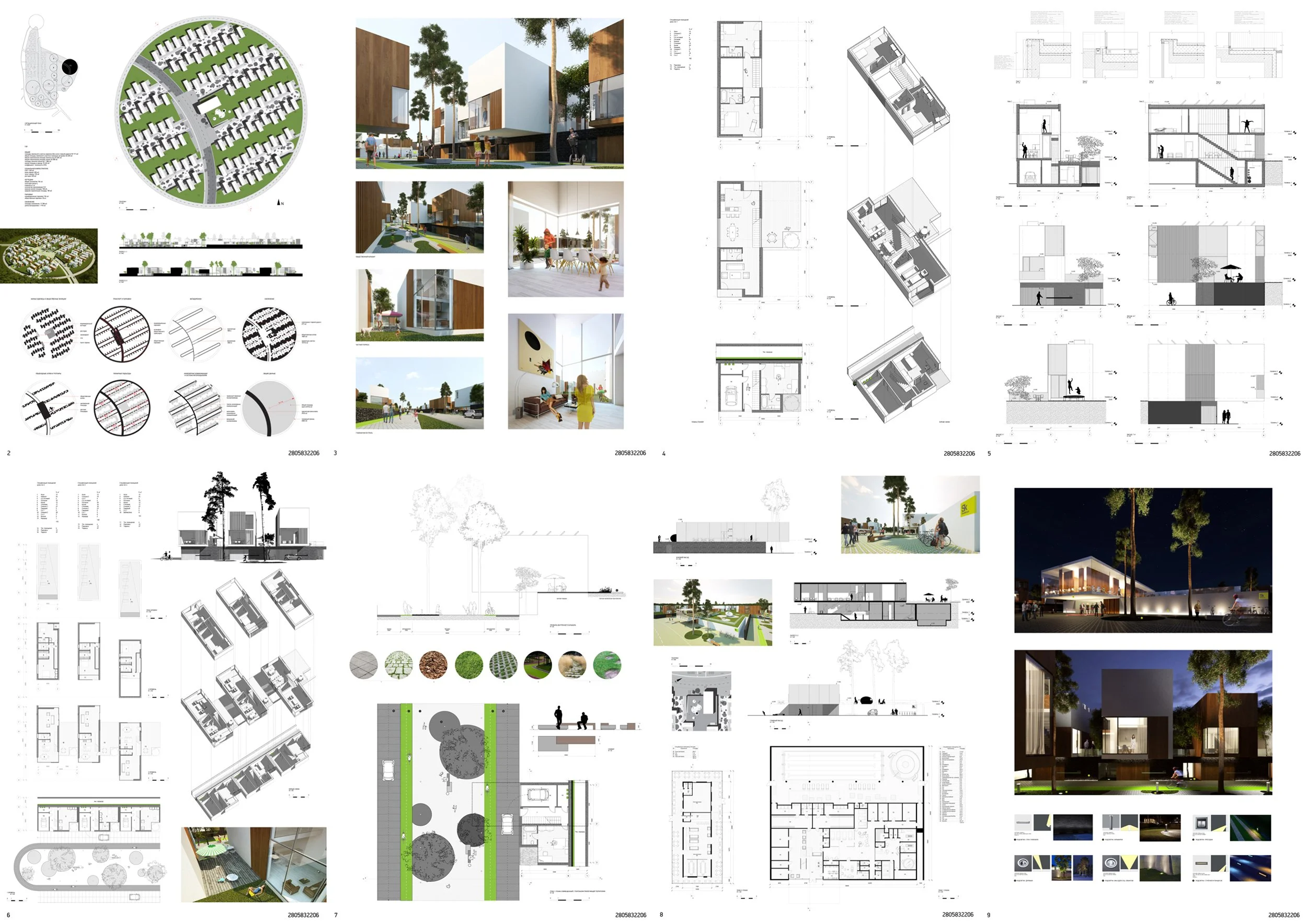
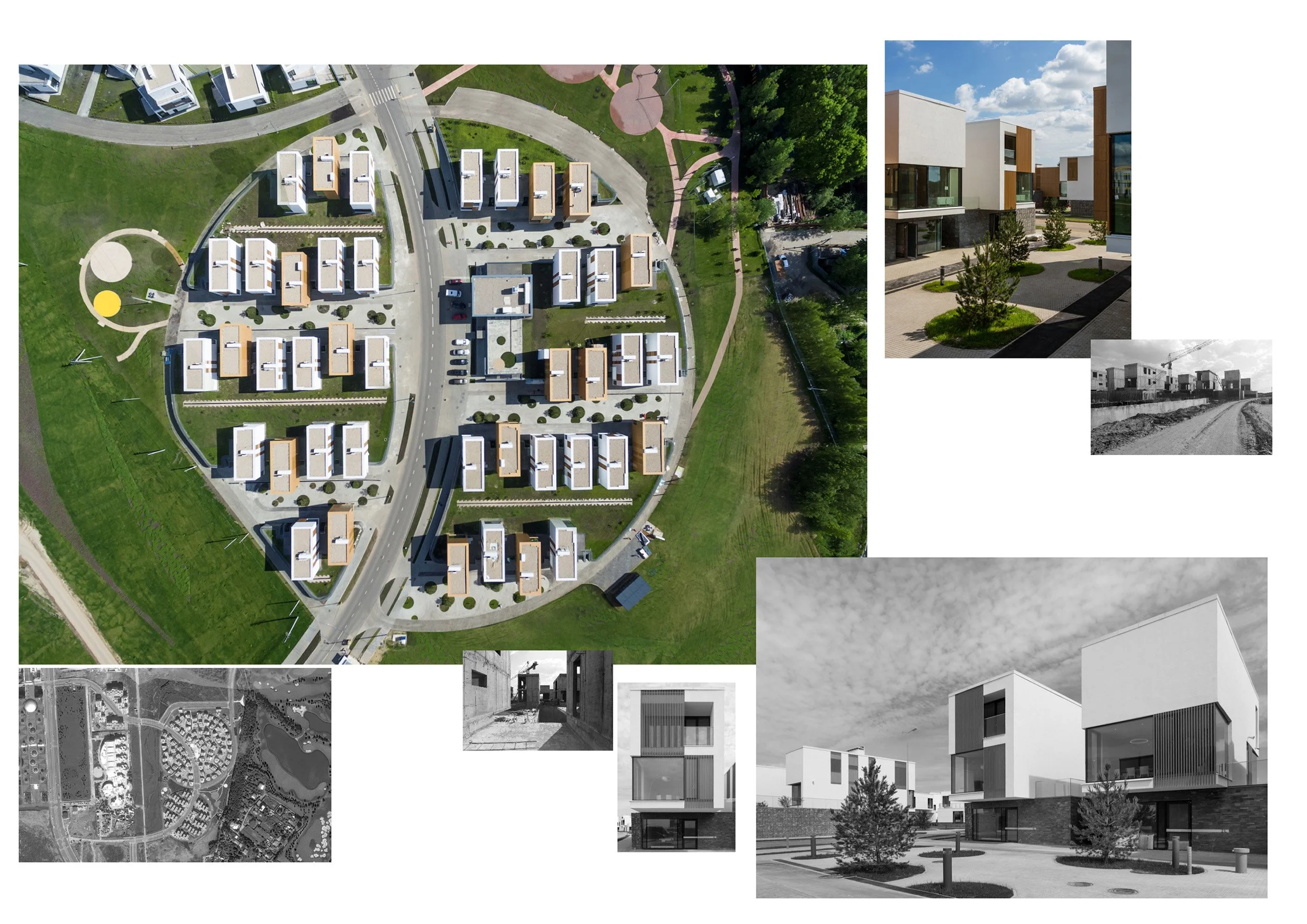
The core conceptual idea of the project is a deliberate vertical shift between public and private functions, in response to the high density of the site and the intention to avoid physical boundaries between plots. This is achieved through an artificial topography that organizes the site across two levels.

Winner: 2015 NOPRIZ Awards | Best Comprehensive Development
Winner: 2015 Green Awards | Low-Rise Residential
Winner: 2017 Primety Gorodov Awards | Experts' Choice: New Residential Construction

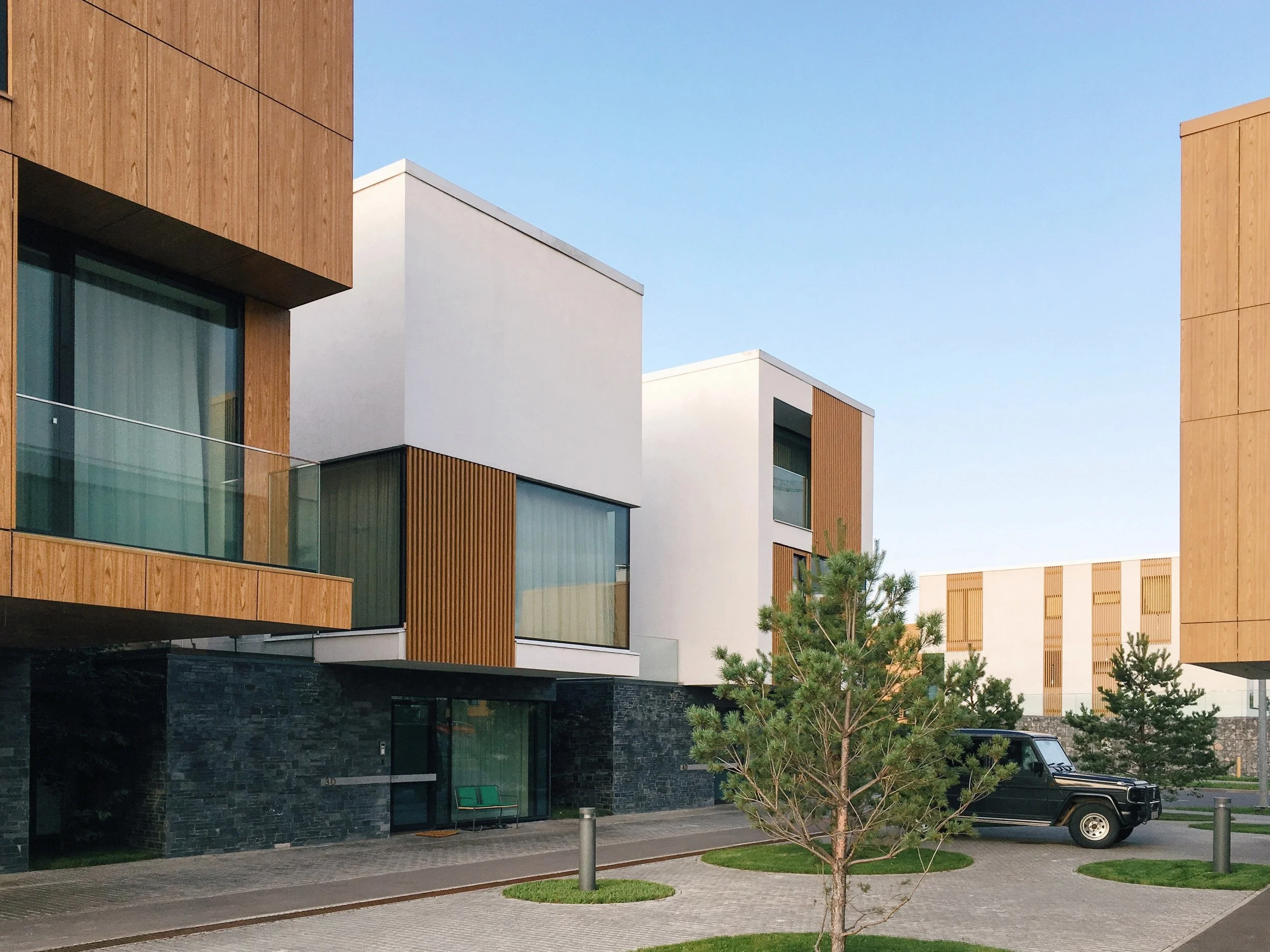
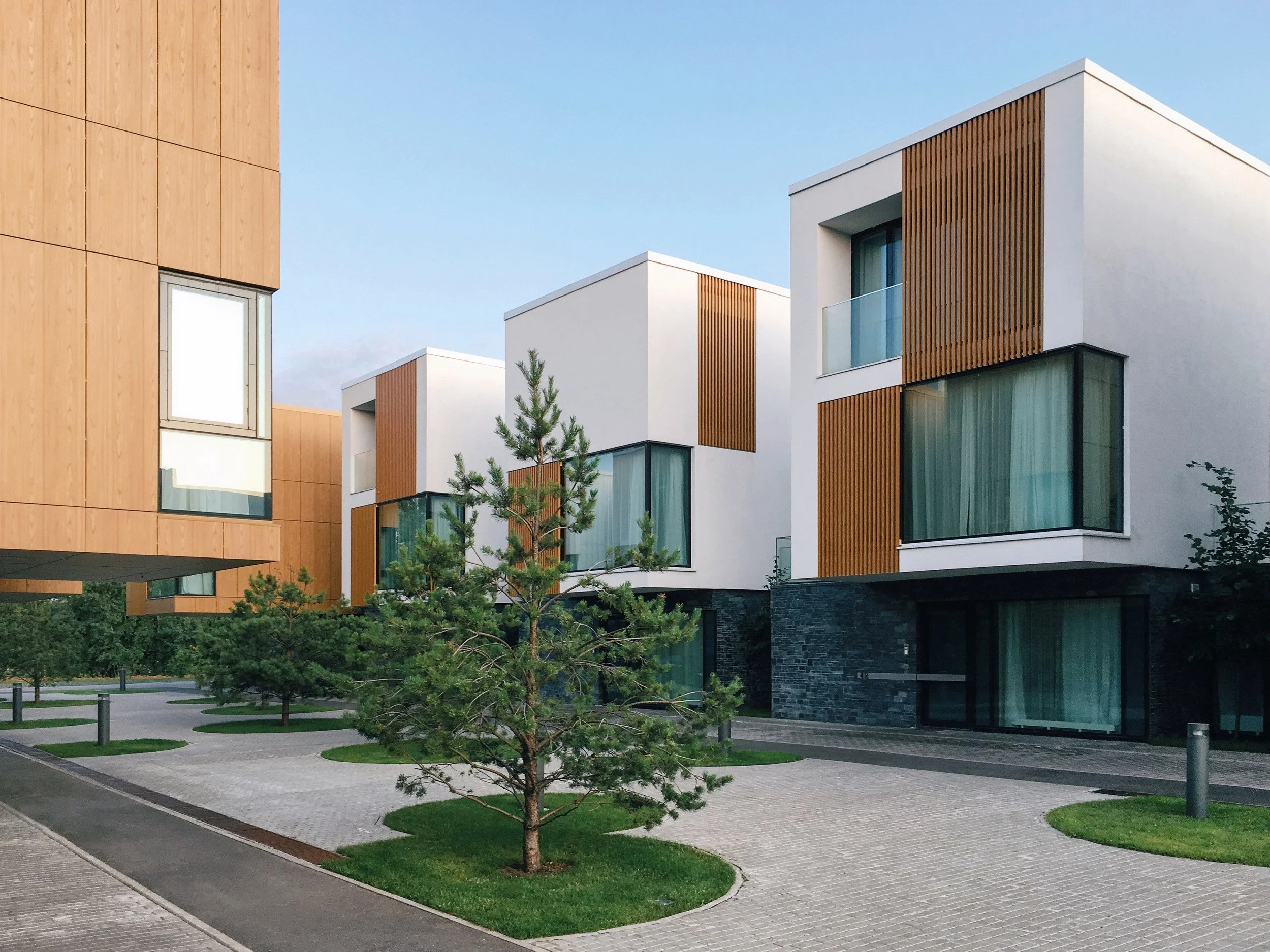
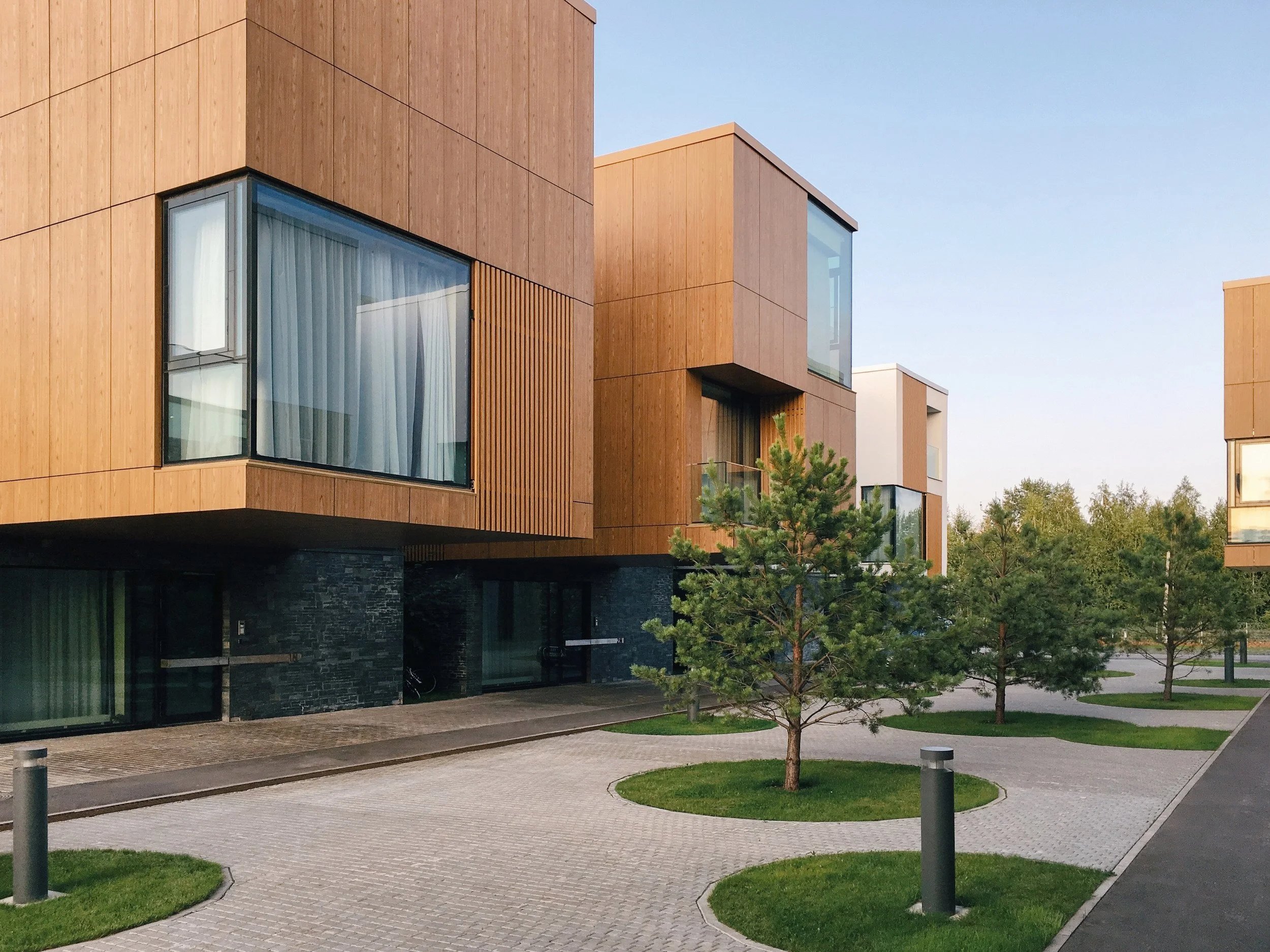
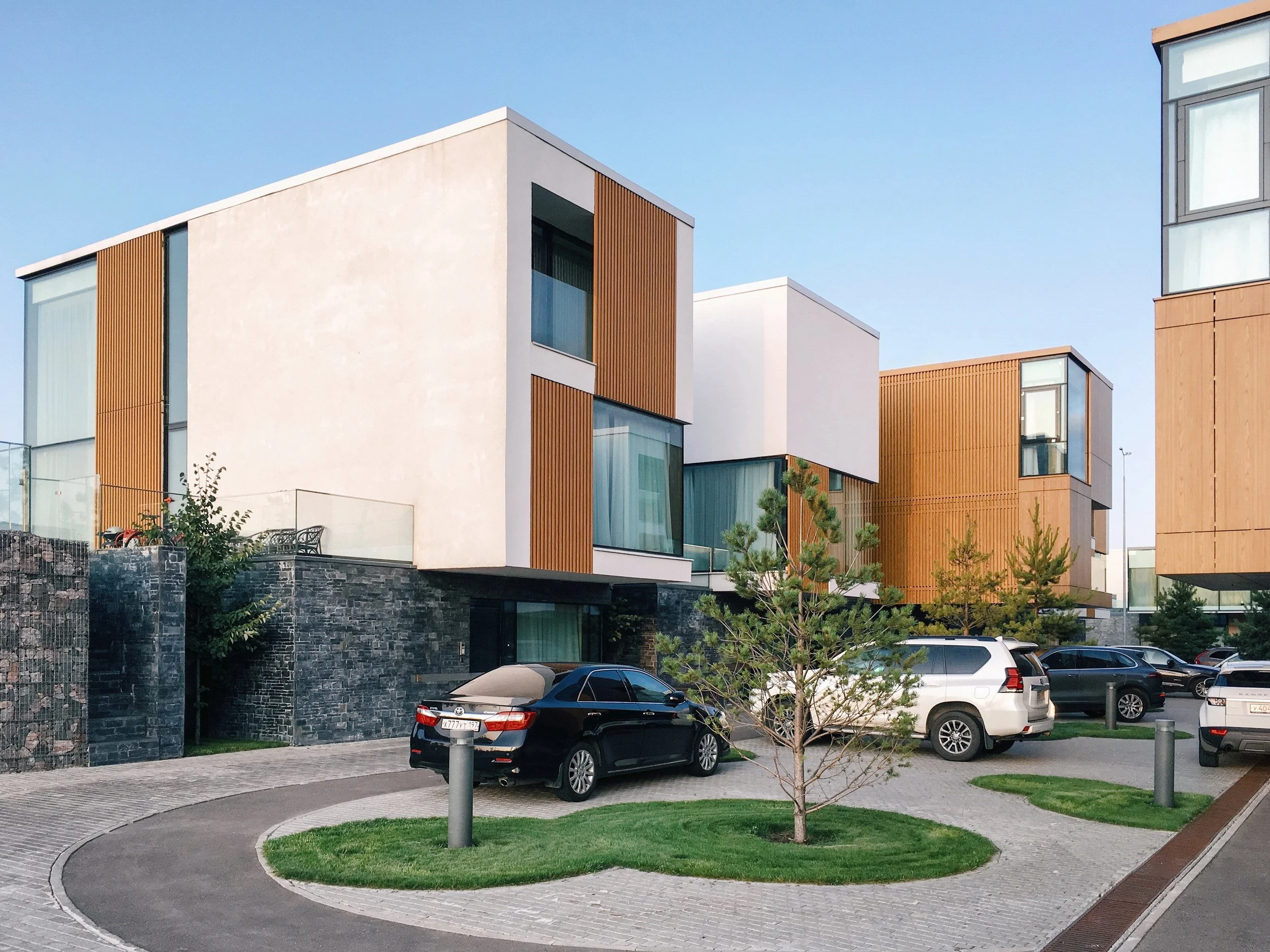
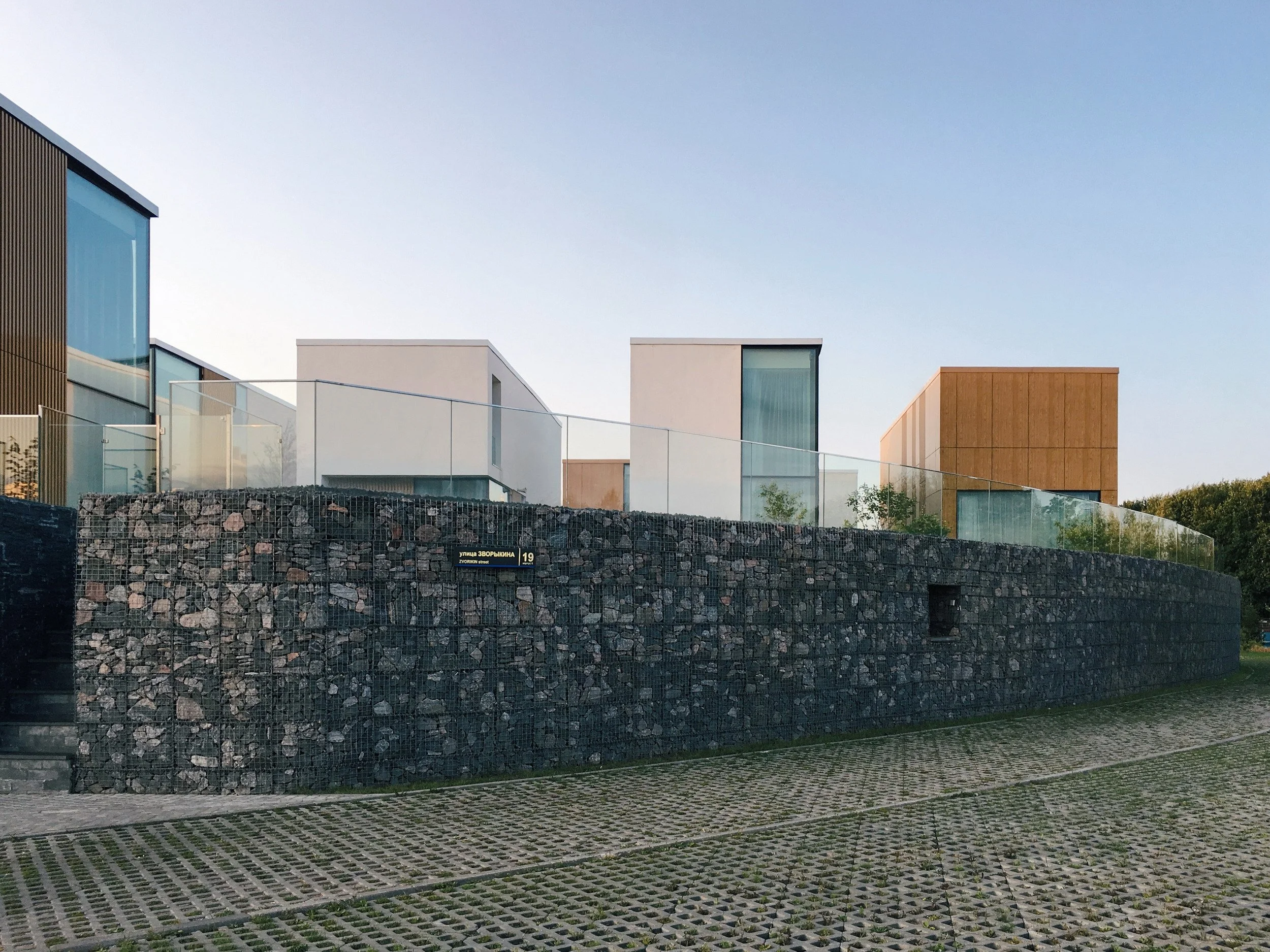
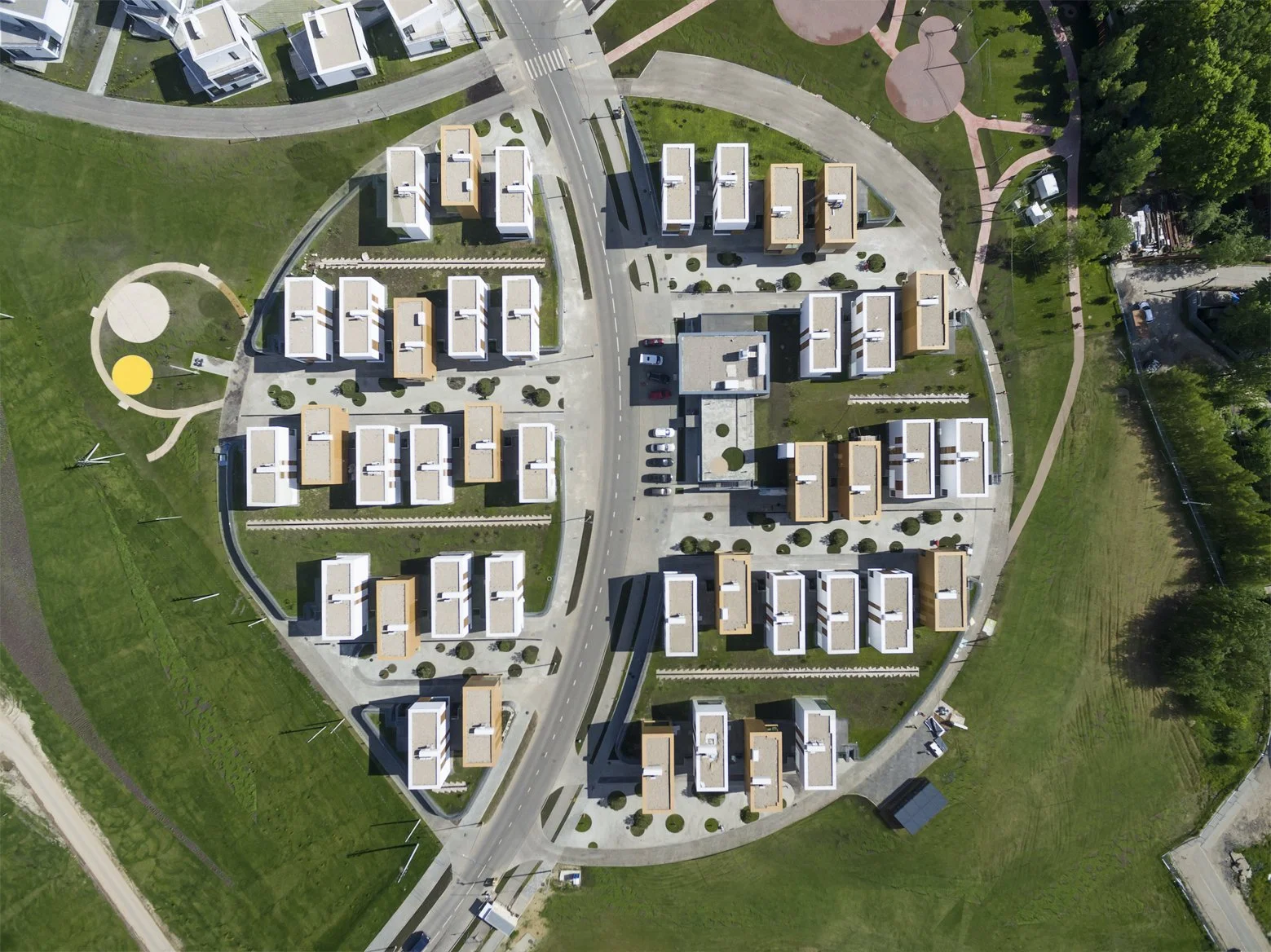
The lower level accommodates public and service functions, including pedestrian routes, looped access roads for electric vehicles, bicycle paths, and landscaped internal boulevards with planting, small architectural elements, and playgrounds. The upper plane forms a continuous green surface that defines the living environment, where each dwelling extends into terraces, gardens, and outdoor areas. This approach allows social infrastructure, technical spaces, and non-residential programs to be absorbed into the terrain, increasing the amount of usable green space and improving overall spatial quality.
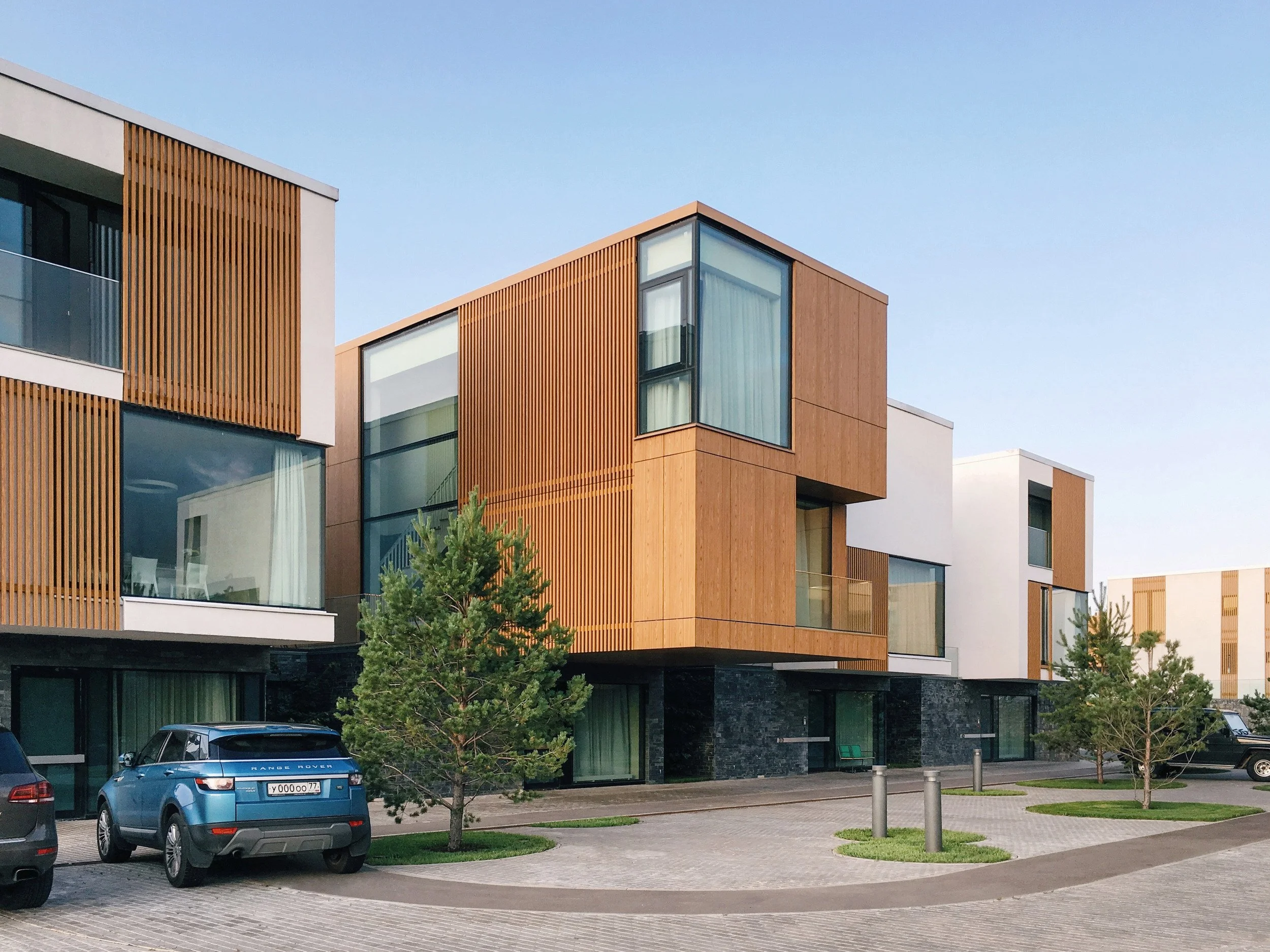
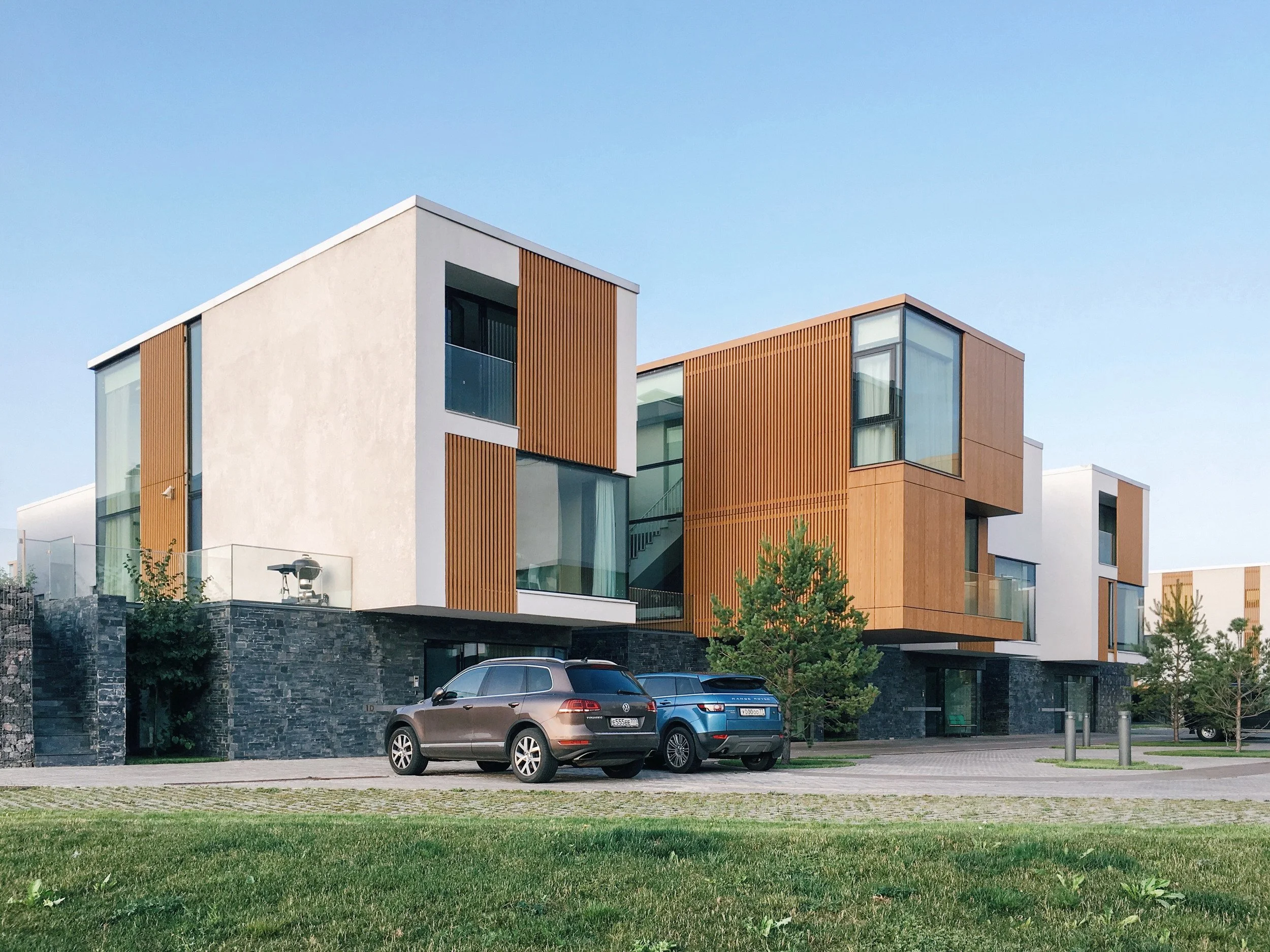
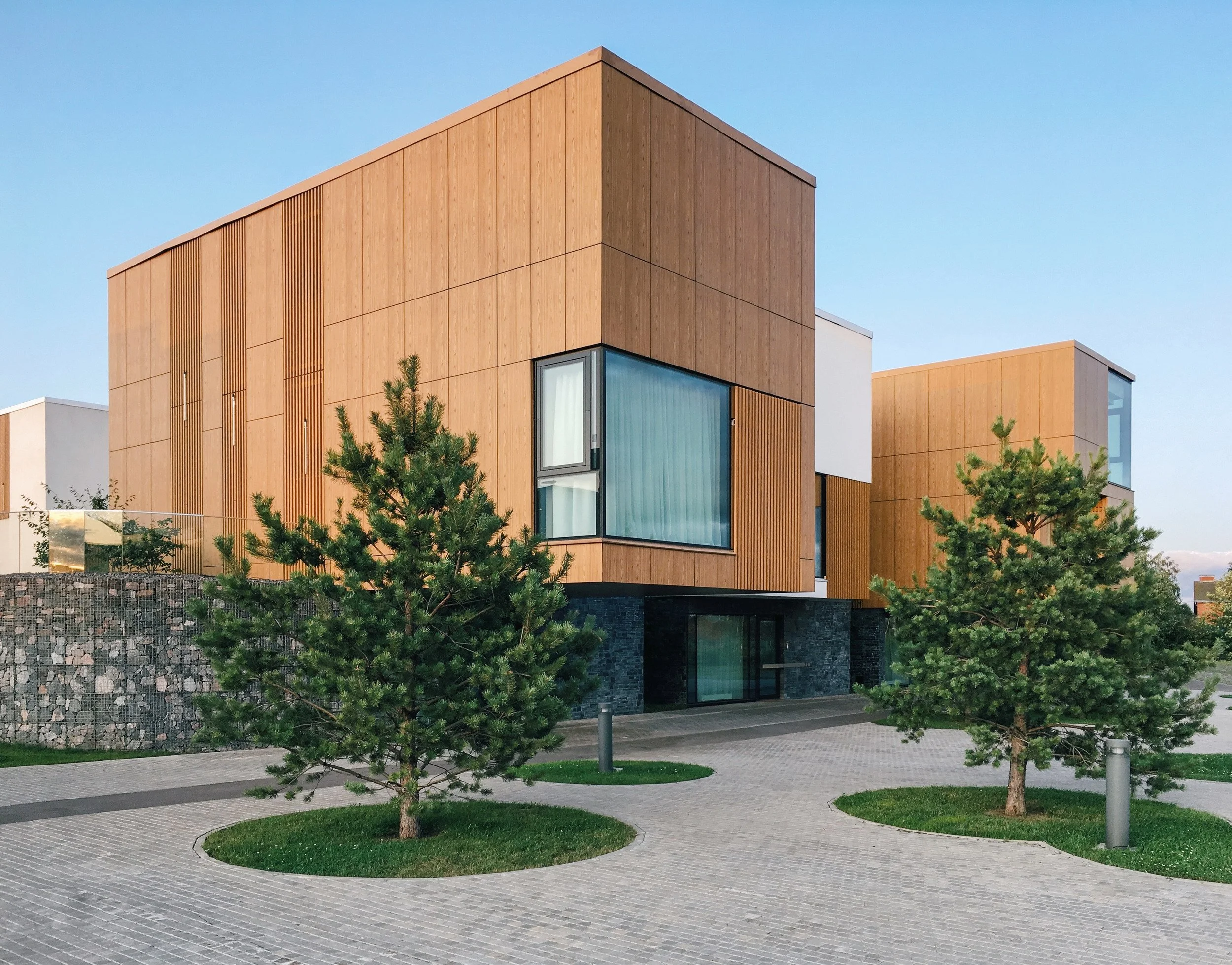
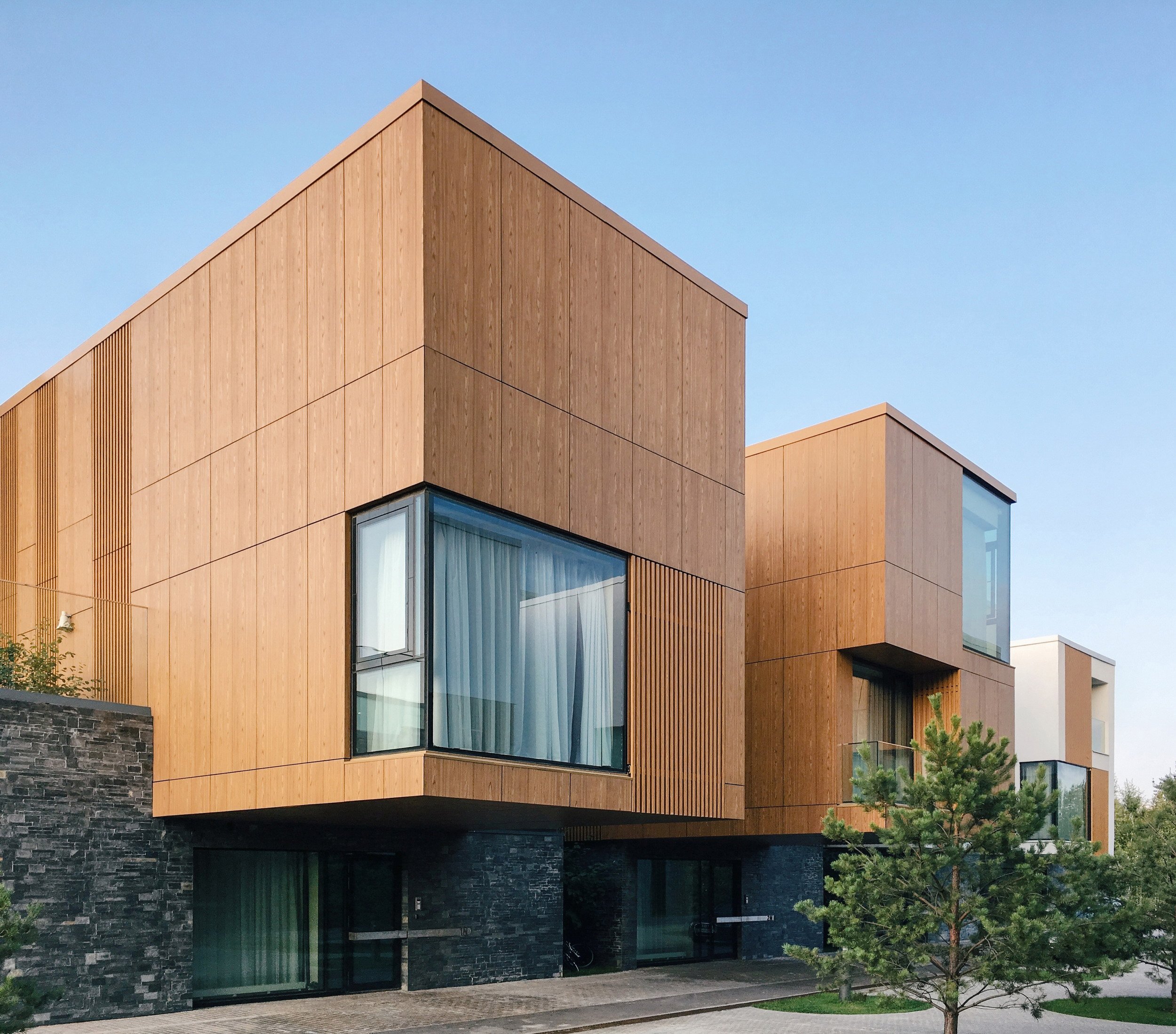
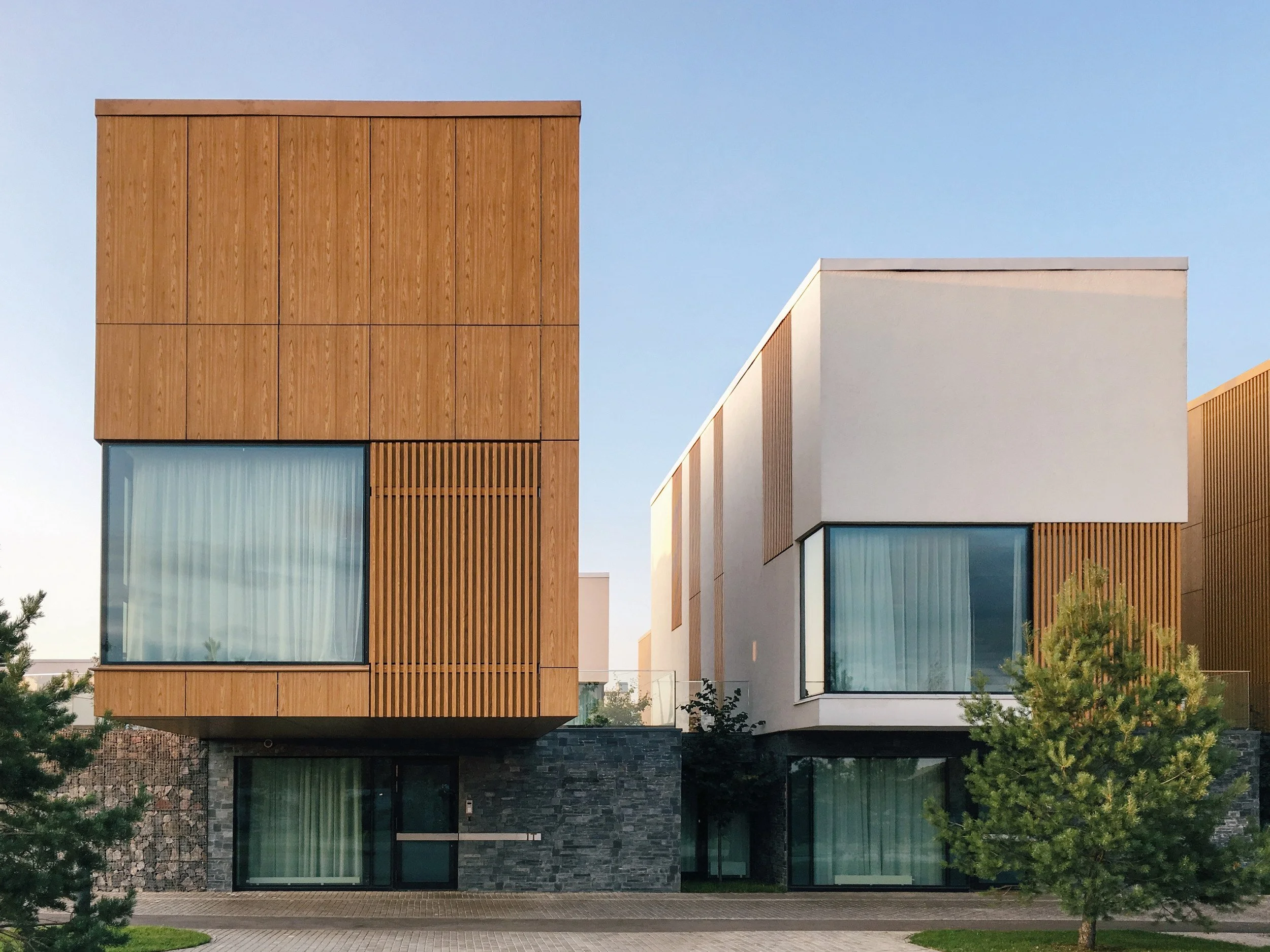
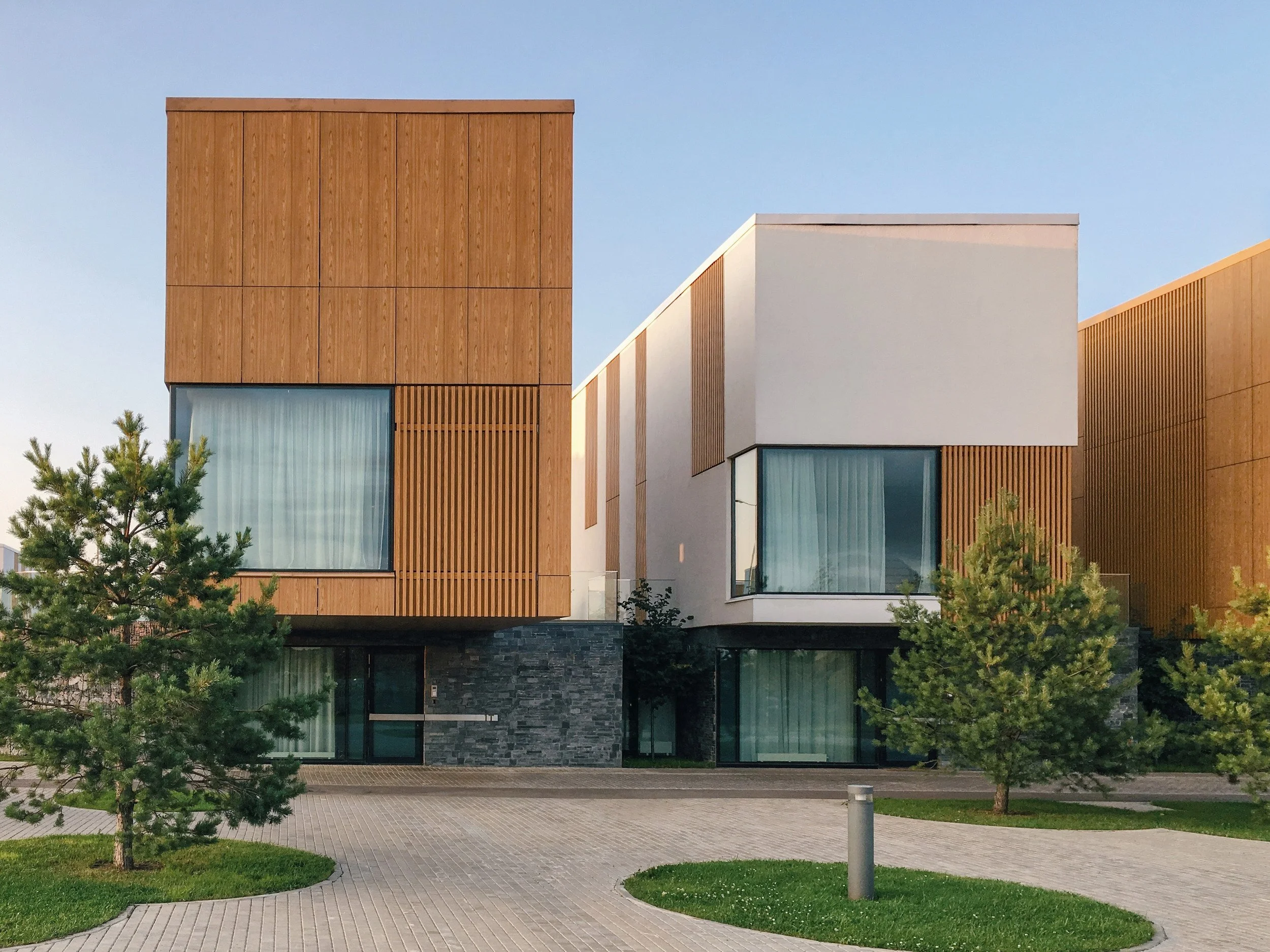
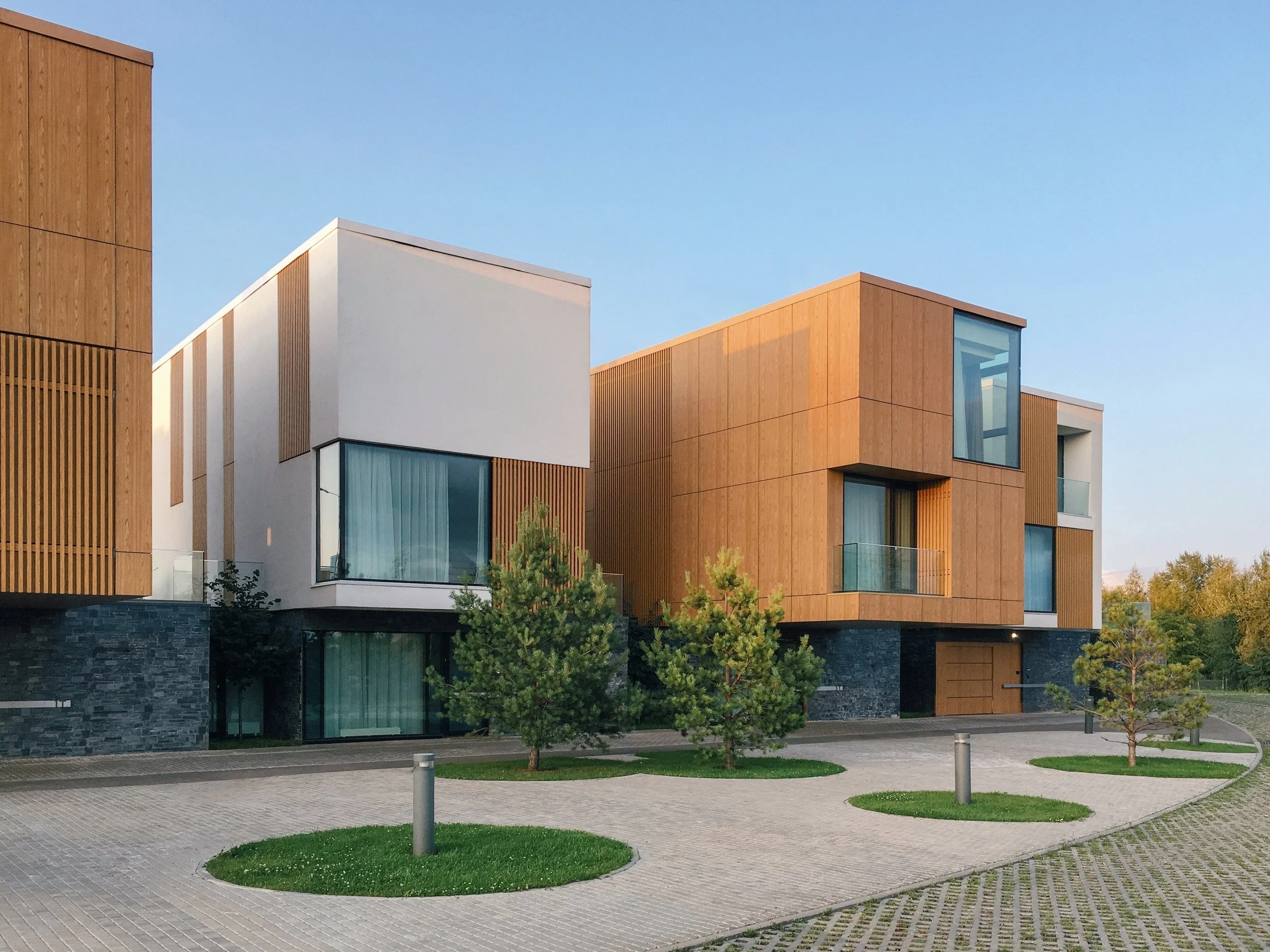
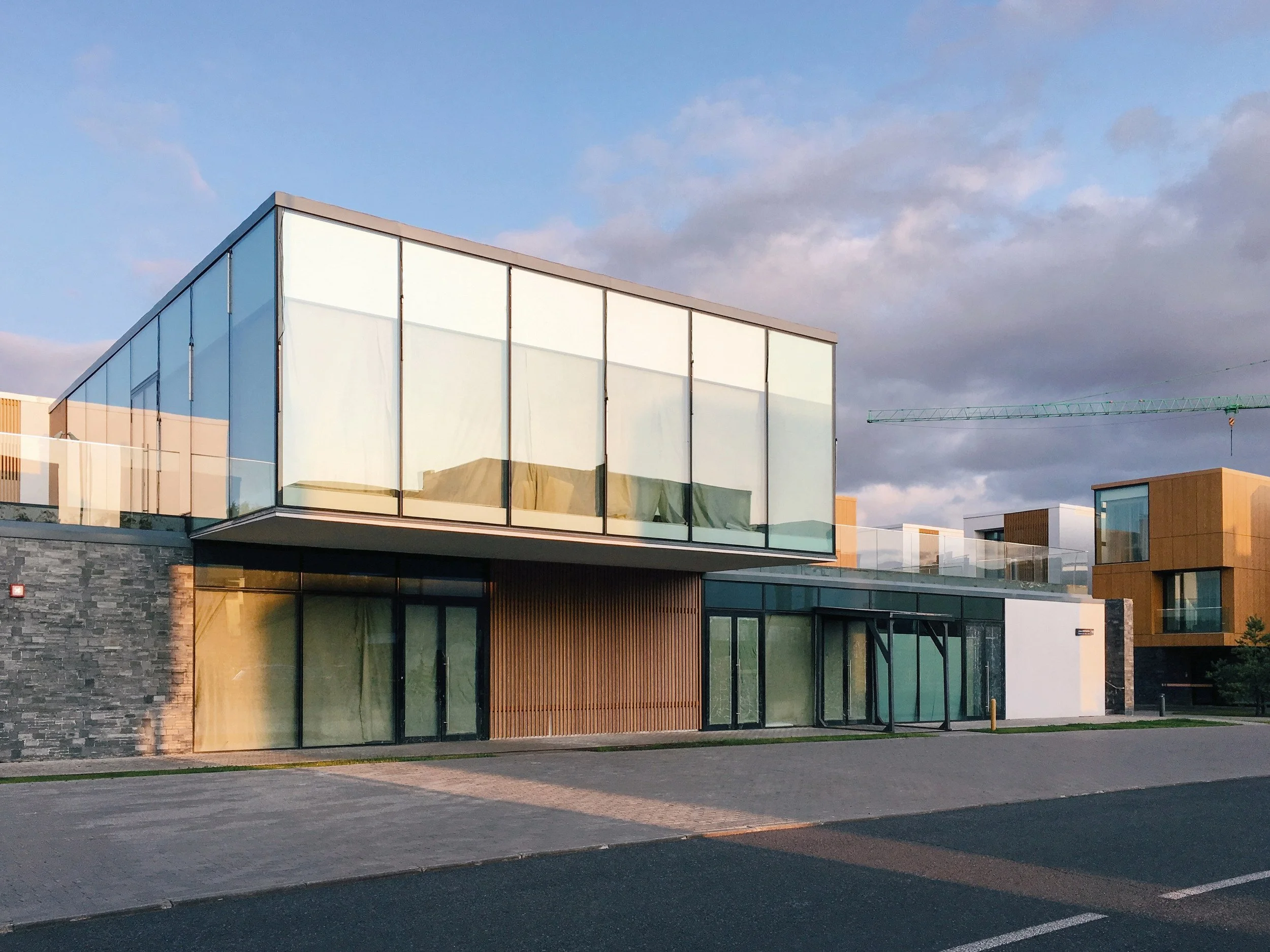
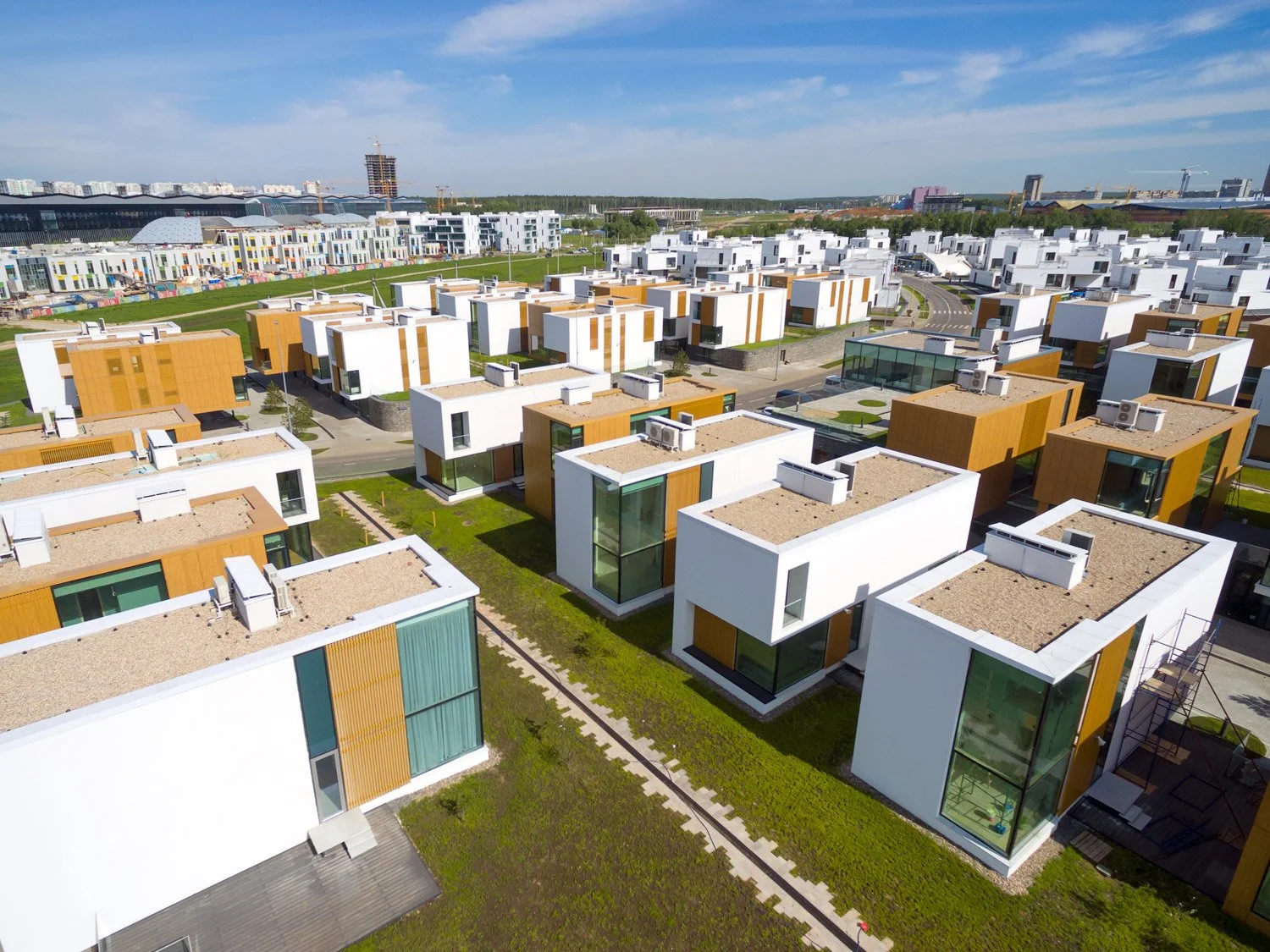
The settlement is organized as a sequence of linear residential bands branching from a main internal axis and interwoven with landscaped alleys. A central route passes through a public square that concentrates key amenities, including a restaurant, a spa, a security point with bicycle rental, a playground, and a transit stop. A perimeter road provides access for local traffic and emergency vehicles. The shifting arrangement of the houses and the varying lengths of their cantilevers create a diverse spatial environment, shaping shaded public routes below and private terraces above, while preventing direct overlooking between neighboring units. Each house consists of a solid ground-level base and a lighter overhanging structure above.

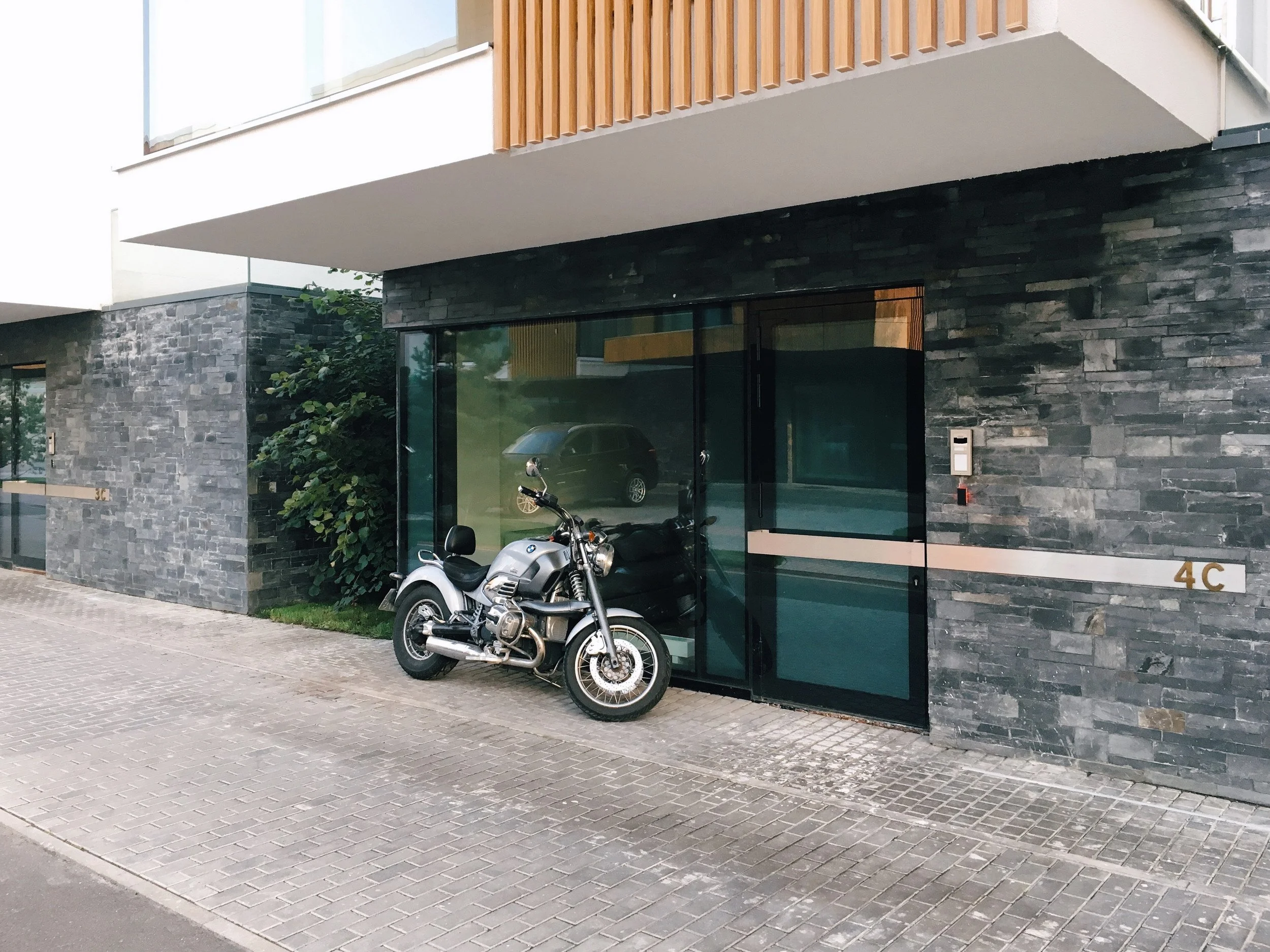
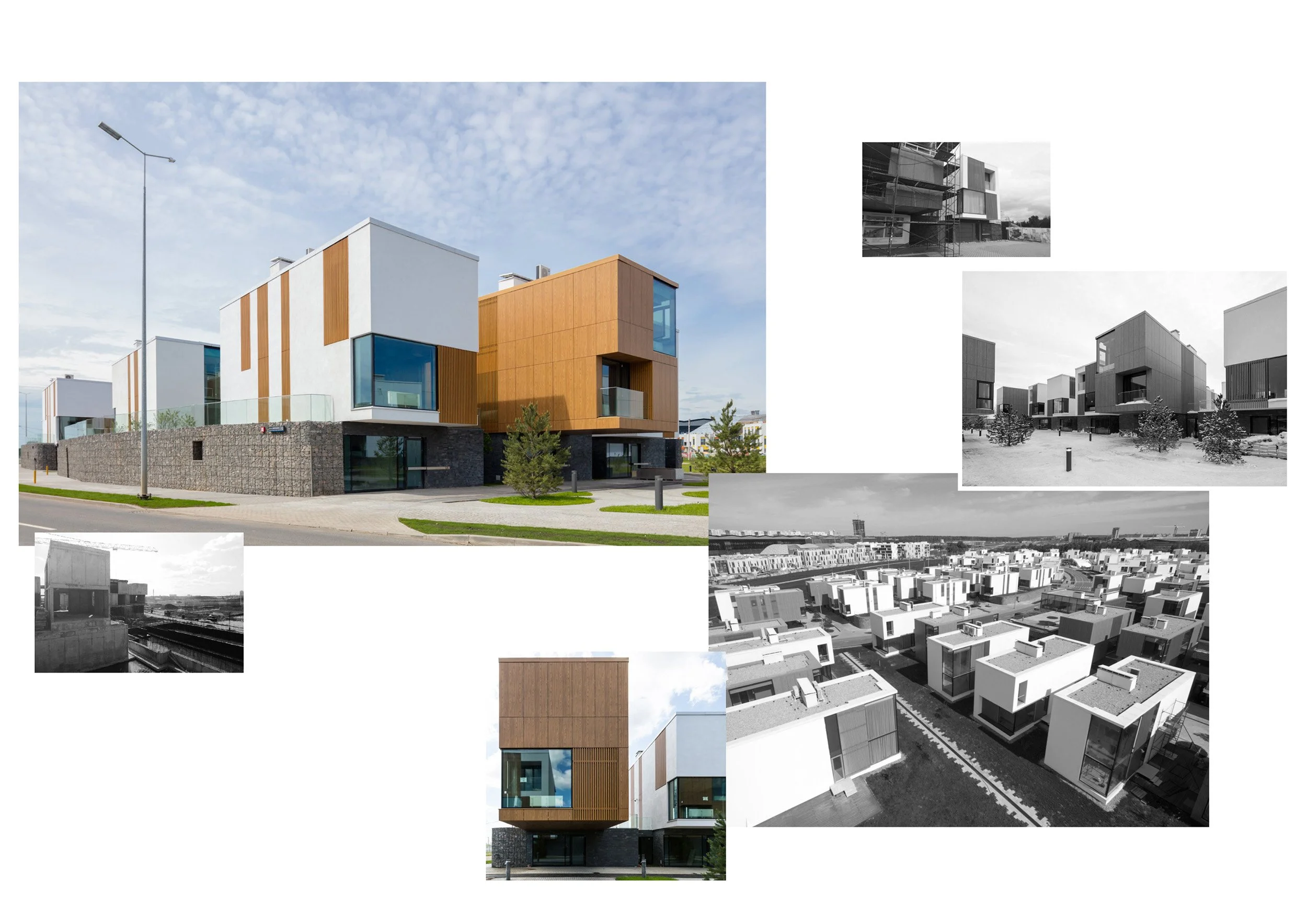
The base is constructed in reinforced concrete and accommodates the entrance, auxiliary rooms, technical areas, and a garage for an electric vehicle, along with a continuous service corridor that consolidates all building systems and simplifies maintenance. Above, the main living spaces are organized within a lightweight modular frame, with direct access to private outdoor areas. Four housing typologies are developed, each incorporating double-height interiors. A combination of wood, stone, plaster, and façade panels creates variation across the development while maintaining a consistent architectural identity.
Excavated soil from construction is reused on site to shape the artificial landscape, reducing transportation and associated emissions. The buildings are designed to accommodate sustainable technologies, including solar panels and rainwater collection systems.
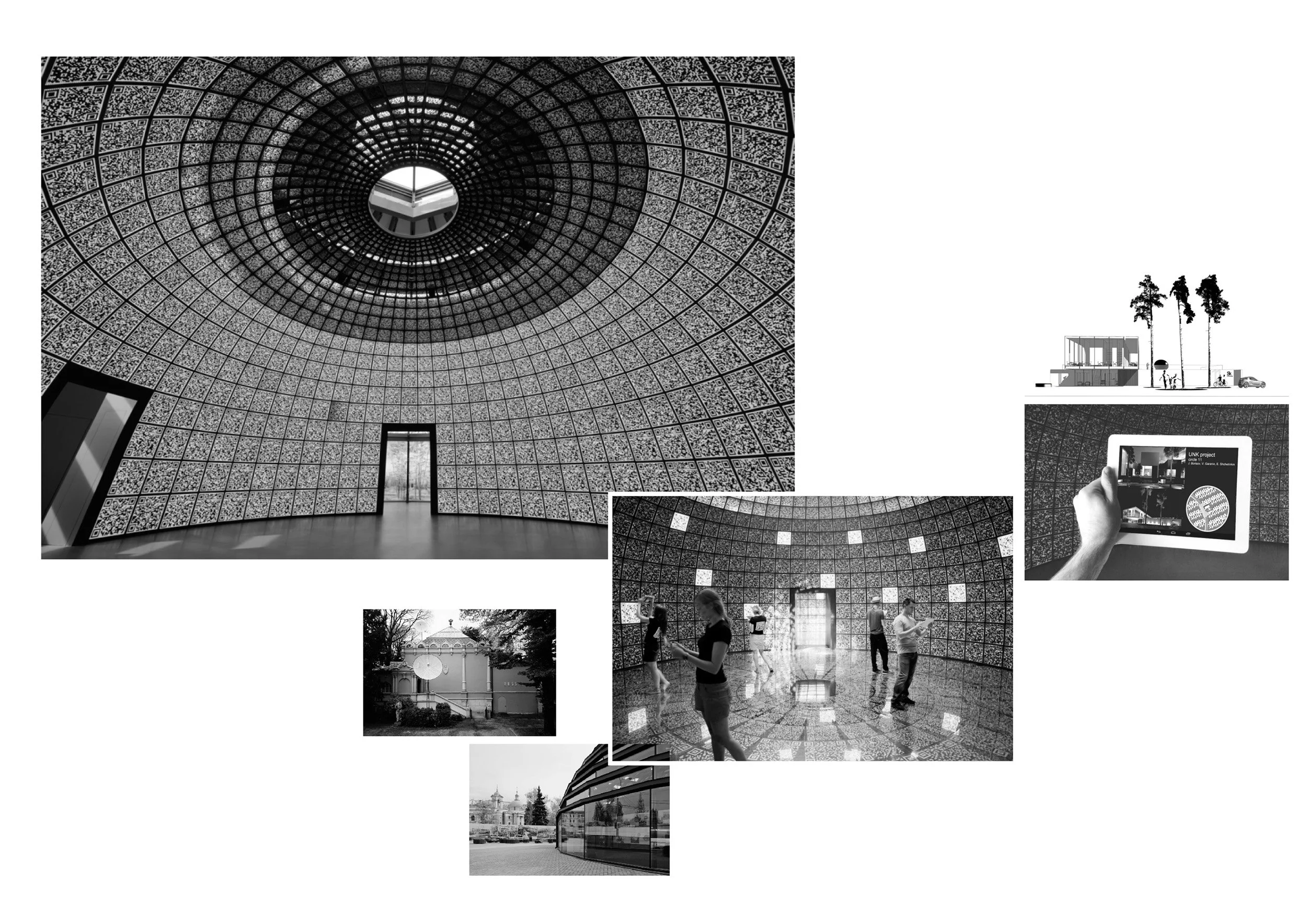
The project was presented at the Venice Architecture Biennale 2012 within the national pavilion exhibition «i-City / i-Land.» It was displayed in an immersive installation formed as a dome entirely composed of QR codes, where visitors explored Skolkovo through interactive digital layers, encountering individual projects as part of a larger speculative vision of a future innovation city.

Competition, Concept stage
Project team, Architects: Evgeniy Shchetinkin, Vladimir Garanin, Uliy Borisov
3d visualization: Bogdan Vitkov, Spartak Chinennikov
Engineer: Sergey Orionov | Project Manager: Vyacheslav Ibragimov
In collaboration with UNK project
Competition consultant: Strelka Institute | Curator of region: Valode and Pistre

Publication: Archi.ru, Archi.ru, Archi.ru, Archi.ru, Archvestnik, ArchPlatforma, Project Russia 85, Sk

Previous
Previous

Sota House

Next
Next

Microsoft